
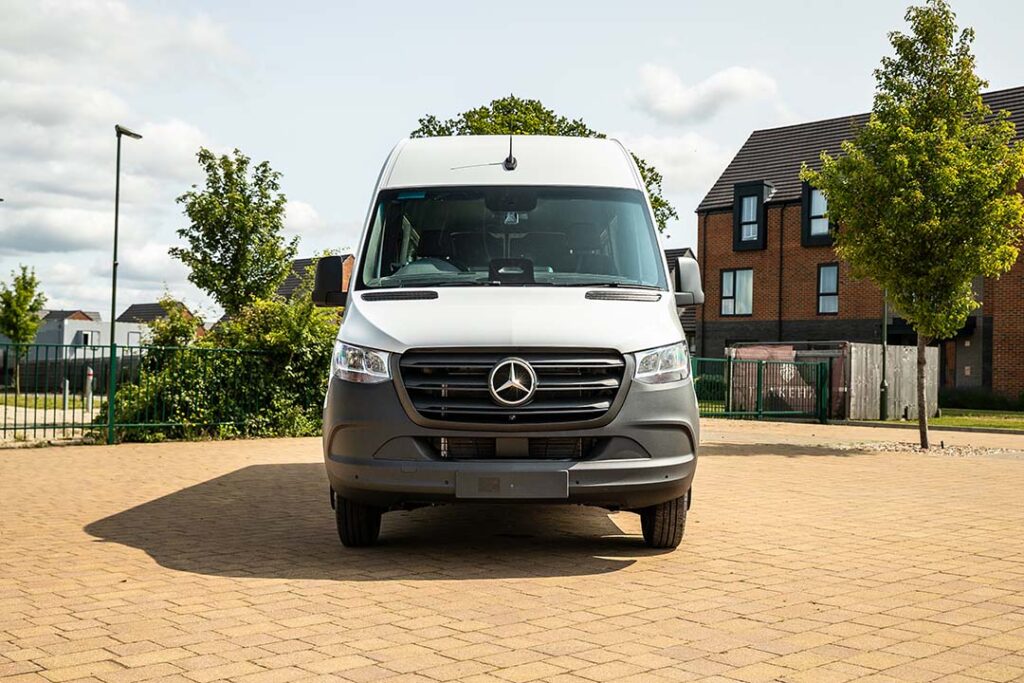
If you’ve read our detailed guide to Section 19 & 22 permits, you’ll know the rules themselves don’t care which manufacturer built your minibus — what matters is passenger seat count, vehicle weight, and who’s driving.
But those rules do determine which EVM vehicle is the right fit for your organisation, and which paperwork (and which driver) you’ll need alongside it.
The seat bands map neatly onto how we group our own range — Up to 8 Seats, 9–17 Seats, 18–22 Seats, 23–33 Seats, and 34–40 Seats — so it’s worth walking through each in turn.
Vehicles in this bracket are treated as cars for licensing purposes, but you still need a Section 19 permit if you’re charging anyone — and you must charge separate fares, since a small vehicle hired out as a whole would need a private hire licence instead.
EVM models in this category:
Driver requirement: any driver with a full category B (car) licence held for at least 2 years can drive these — and, unlike the 9–16 seat bracket below, they can be paid to do so under a Section 19 permit. No D1 entitlement needed.
This is the category most schools, charities and community groups actually operate in — and it’s also where the driver-licensing rules bite hardest. A Section 19 standard permit (or a restricted Section 22 permit) covers any vehicle here, but who can drive it for free or for pay depends on the vehicle’s maximum gross weight, not just its seat count.
Recap of the rule from our permits guide:
This is exactly why vehicle weight matters as much as seat count when you’re choosing a minibus for permit use — a 16-seater that tips over 3.5 tonnes fully loaded takes a large slice of your potential volunteer driver pool out of the picture.
EVM models in this category:
Both the diesel and electric Trend and Tribus ranges are specced to qualify within the D1 weight threshold, which is why they’re the models we point most Section 19 volunteer-driver operators toward. It’s worth remembering that electric drivetrains add battery weight, so always check the Maximum Authorised Mass (MAM) on the specific vehicle’s plate/logbook rather than assuming — this is true across the industry, not just for EVM vehicles, and it’s the single most common way well-meaning operators fall foul of the rules.

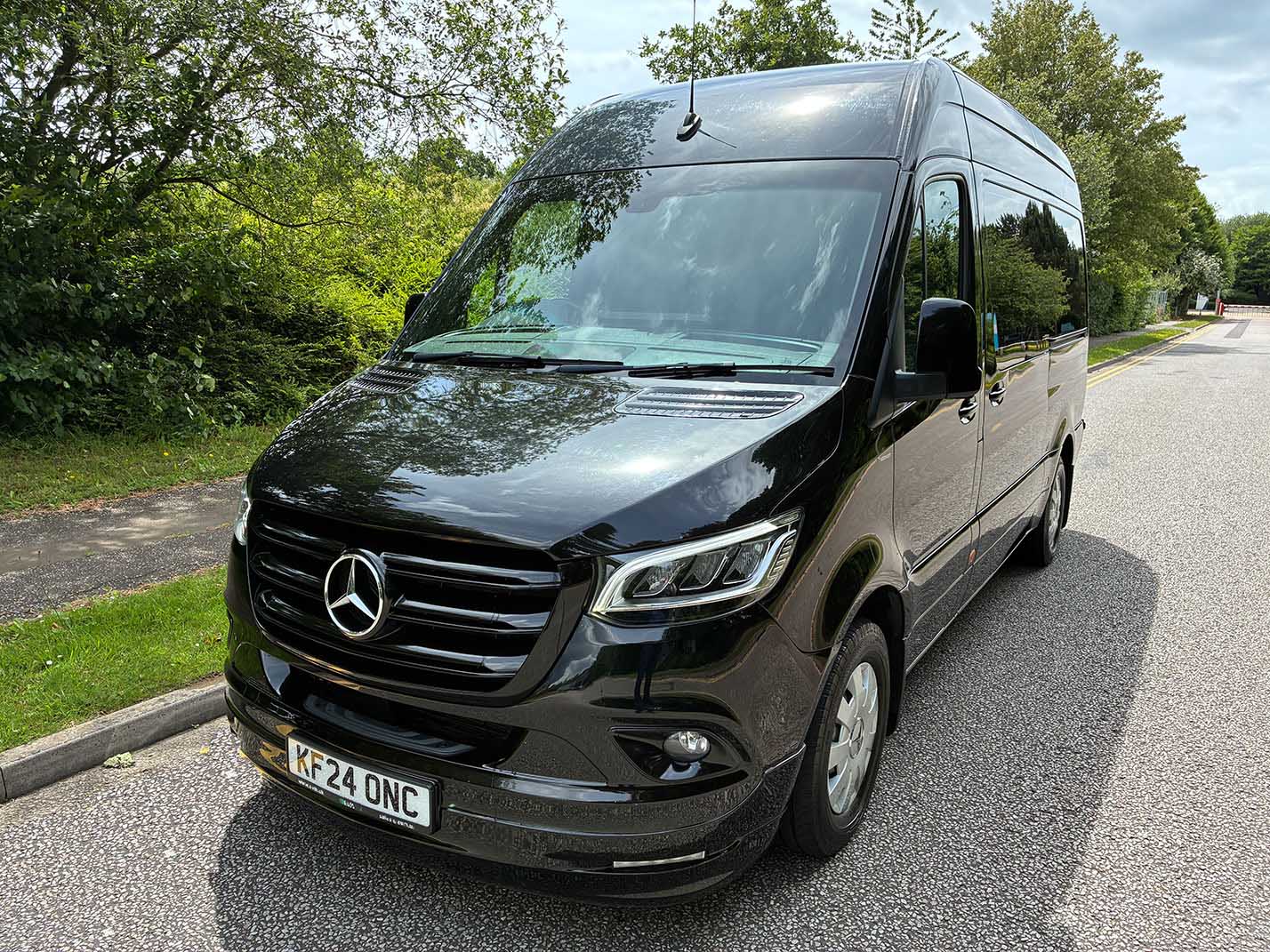
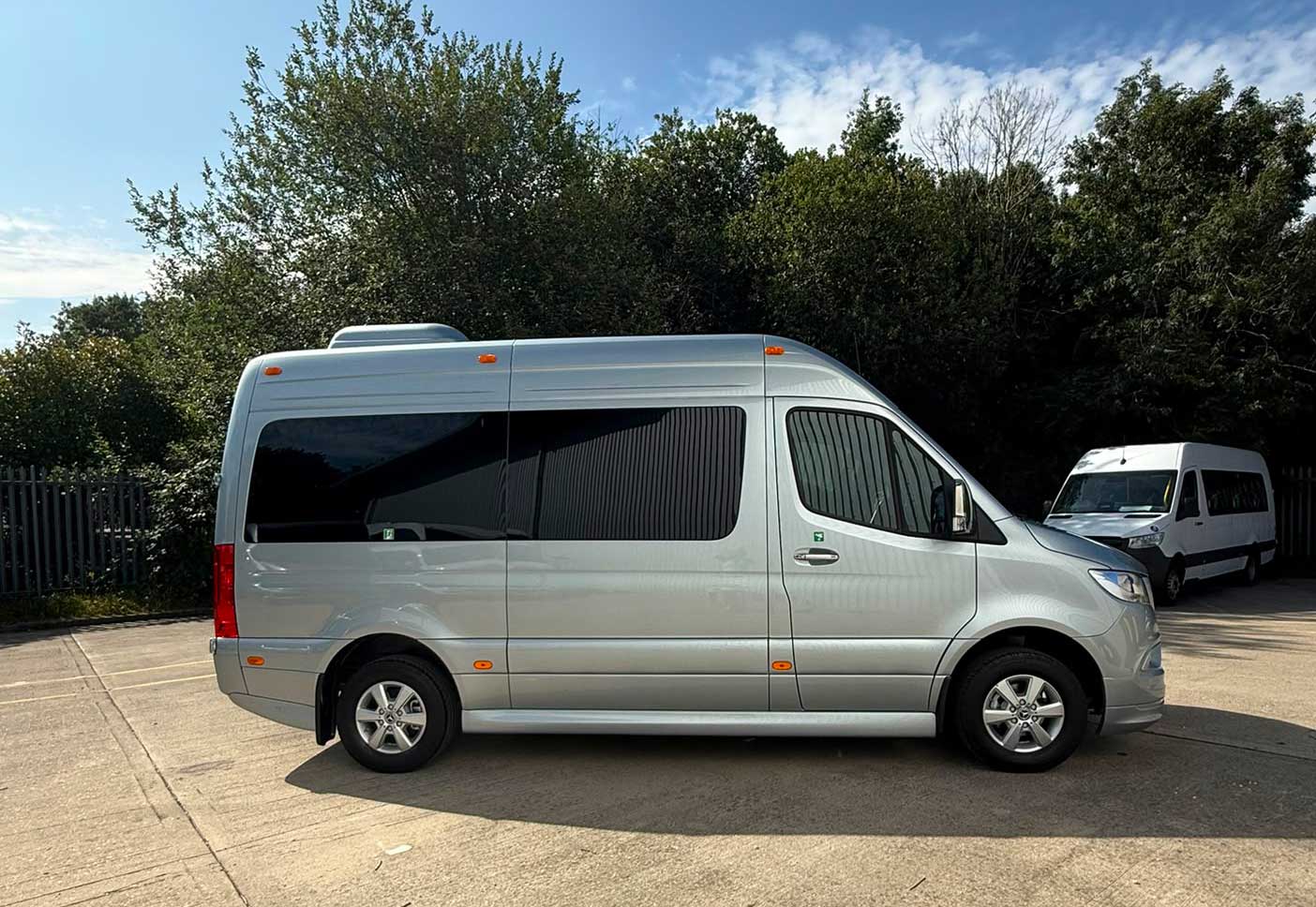
Once you’re at 17 seats or more, the rules change completely: you need a large bus permit (Section 19) or an unconditional Section 22 permit, both of which can only be issued by the Traffic Commissioner — not by a council or other designated body. The vehicle must also carry a Certificate of Initial Fitness (COIF) or Certificate of Conformity (CoC), and every driver needs a full PCV (D) licence, PCV Community licence, or NI equivalent, regardless of whether they’re paid or volunteering.
EVM models in this category:
Every vehicle we sell in this bracket and above is already built and certified to PSV standard, so the COIF/CoC requirement is taken care of at the point of sale — but you’ll still need to arrange the permit itself and a properly licensed driver before it goes into service.
Our midi coach range tops out at up to 39 passengers plus a guide, and the same large-bus permit rules from the section above apply throughout — Traffic Commissioner-issued permit, COIF/CoC, full PCV driver.
EVM models in this category:
These are the vehicles most often used for registered Section 22 community bus services, where you’re carrying the general public on a timetabled route rather than a defined membership — worth checking our community bus guidance if that’s the route you’re planning, since registering the actual bus service with the Traffic Commissioner is a separate step from getting the permit itself.
The short version: decide your permit type first, based on who you’re carrying and how many — then choose the vehicle that fits both the seat count and, if you’re in the 9–16 bracket, the weight limit your drivers can legally handle. Get in touch with the EVM team and we’ll help you match a vehicle from the right range to your permit, your driver pool, and your budget.
This article is provided for general guidance only and isn’t a substitute for the official DVSA/Traffic Commissioner guidance or independent legal advice. Permit eligibility and driver licensing depend on your organisation’s specific circumstances — if in doubt, contact VOSA/DVSA or the Community Transport Association before putting a vehicle into service.

Please fill in your details below and a member of our team will be in touch with you as soon as possible.


