The return of volatile diesel pricing is once again putting pressure on transport operators across the UK. After a relatively stable start to 2026, global events have driven sharp increases—reminding fleets just how exposed they are to fuel costs.
Recent geopolitical disruption has pushed oil above $100 (around £80 per barrel), reflecting global supply pressures that are feeding directly into UK diesel prices.
As of today (14 April 2026), the UK diesel prices have exceeded £2 per litre in some areas —levels not seen in years.
For many operators, fuel is now one of the single biggest cost pressures, often accounting for 25–35% of operating costs. So, what can be done?
Three key factors driving the current situation are global supply shocks. When future supply comes into question, the fuel companies react with immediate effect. Whilst the prices rise almost immediately, they often take 10-14 days (minimum) and therefore result in prolonged pricing pressure.
Added to this, there is huge frustration that around 38% of the pump price is fuel duty.
How is the world responding?
The Irish government has introduced not only tax cuts but direct payments to transport businesses. The Road Transporters Support Scheme (RTSS) provides financial aid to haulage and coach operators, and payments are triggered when diesel exceeds a set threshold.
Portugal has proposed a sector-specific diesel subsidy and across Europe, governments are providing tax advantages, fuel subsidies and cost relief schemes.
Sadly, there has been little intervention by the UK government with no signs of change. In PM remarks on 1 April, the Prime Minister confirmed: “We’ve extended the cut in fuel duty… and we are monitoring that situation daily”.
In practical terms:
Here are four things can you do now to alleviate the strain:
Some tools allow you to compare prices at different pumps, such as: Fuelwise, PetrolFinderUK, StationWatch, PumpWatch.
If high prices persist—and most forecasts suggest continued volatility—operators need to go further. What three things can you do in the medium term?
Modern fleet systems can:
This data-driven approach is becoming essential rather than optional. Telematics and reporting are also important parts of the UK Government’s Better Connected Transport Strategy.
Small improvements compound over time:
At EVM, we offer comprehensive after-sales support for all our vehicles. Our team can provide expert support for the duration of your ownership, all the way to resale.
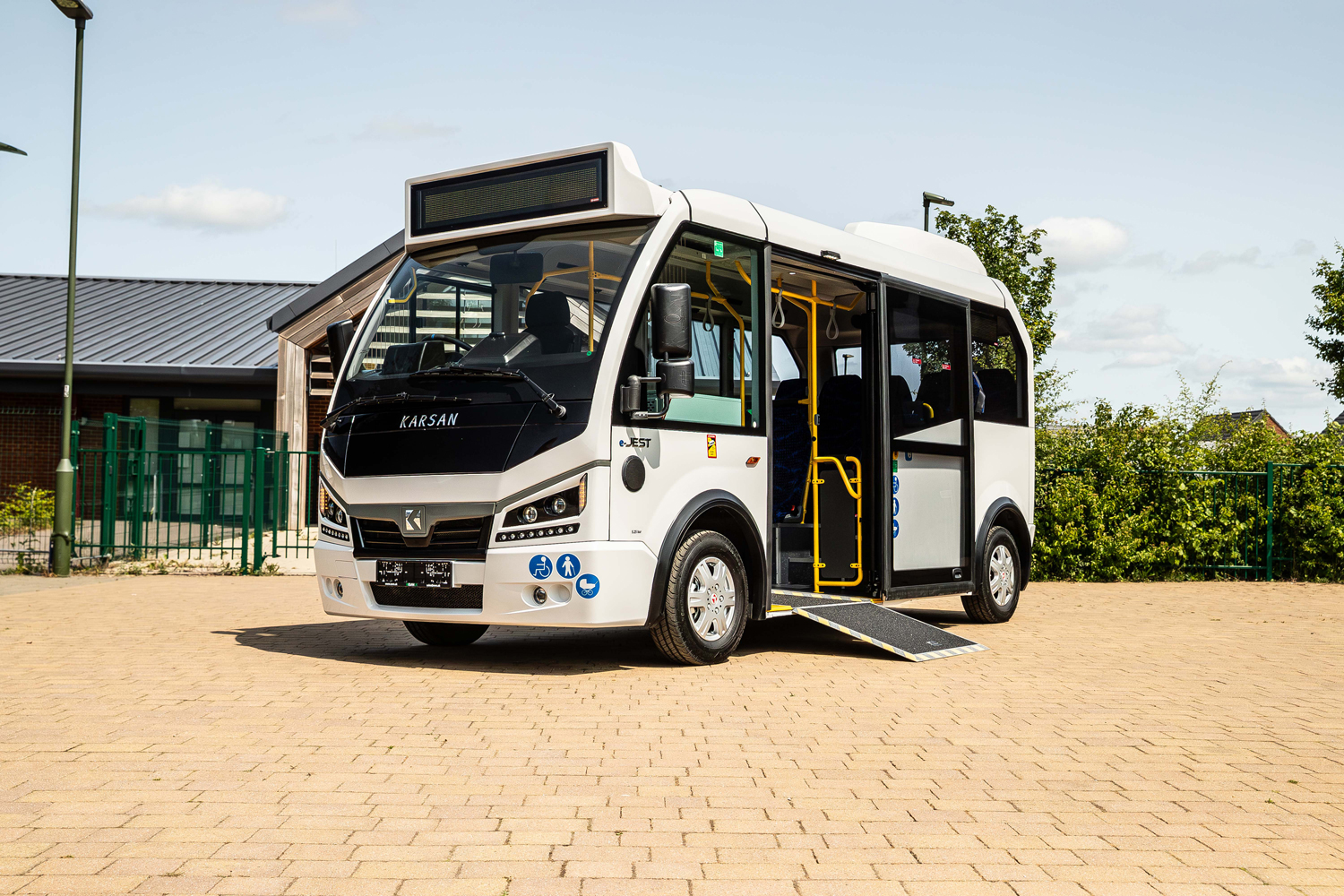
For many operators, the long-term question is whether to move away from diesel altogether. Electric minibuses and coaches offer an excellent alternative to diesel-powered models. There is funding available in the UK and Ireland, and extensive investment in infrastructure.
A little-discussed benefit of electric minibuses is the silent travel. Passengers can enjoy the sound of the countryside and nature as they travel through the rural communities that they love.
A growing number of fleets are adopting Diesel-electric hybrid buses and range-extender systems. These can deliver incremental savings without full electrification risk. You can also simply mix your fleet to include both diesel and electric to reduce general costs.
Our voices are amplified when we stand together. Professional bodies and organisations in the road transport and travel sector are lobbying the government for help. The CPT, RHA and UKCOA collectively put the sector’s case forward for cost relief and priority on supply. See below for links to their sites and how to get involved.
Road Haulage Association (RHA)
The RHA is running the most prominent campaign, calling for:
How to get involved:
Visit uk.net to use their online tool and enter your postcode to find your MP. A draft email will be generated, which you can personalise with your own experiences. Submitting an email adds your name to their open letter to the Chancellor.
UK Coach Operators Association (UKCOA)
UKCOA represents nearly 250 coach operators and is actively engaging with stakeholders and lobbying government for change. The organisation focuses specifically on coach sector issues, including fuel costs. Contact UKCOA directly through their website to join and support their lobbying efforts. Membership rates range from £200–£600 per year, depending on the operation size.
CPT
The Confederation of Passenger Transport (CPT) is actively lobbying the UK government to mitigate the impact of high diesel prices on coach and bus operators, focused on preventing the planned removal of the 5p fuel duty cut in September 2026. You can apply to join the Confederation of Passenger Transport (CPT), the primary trade association for the bus and coach industry. Click here to learn more.
Diesel price volatility is no longer a temporary issue—it’s a structural challenge. Prices have already shown they can jump 30–40p per litre in a matter of weeks under global pressure.
Operators who treat fuel as a controllable cost—not just a fixed expense—will be far better positioned to protect margins and remain competitive. Investing in a fleet that includes models not reliant on diesel fuel could prove a good way to circumvent these crises in the future.
Please fill in your details below and a member of our team will be in touch with you as soon as possible.